
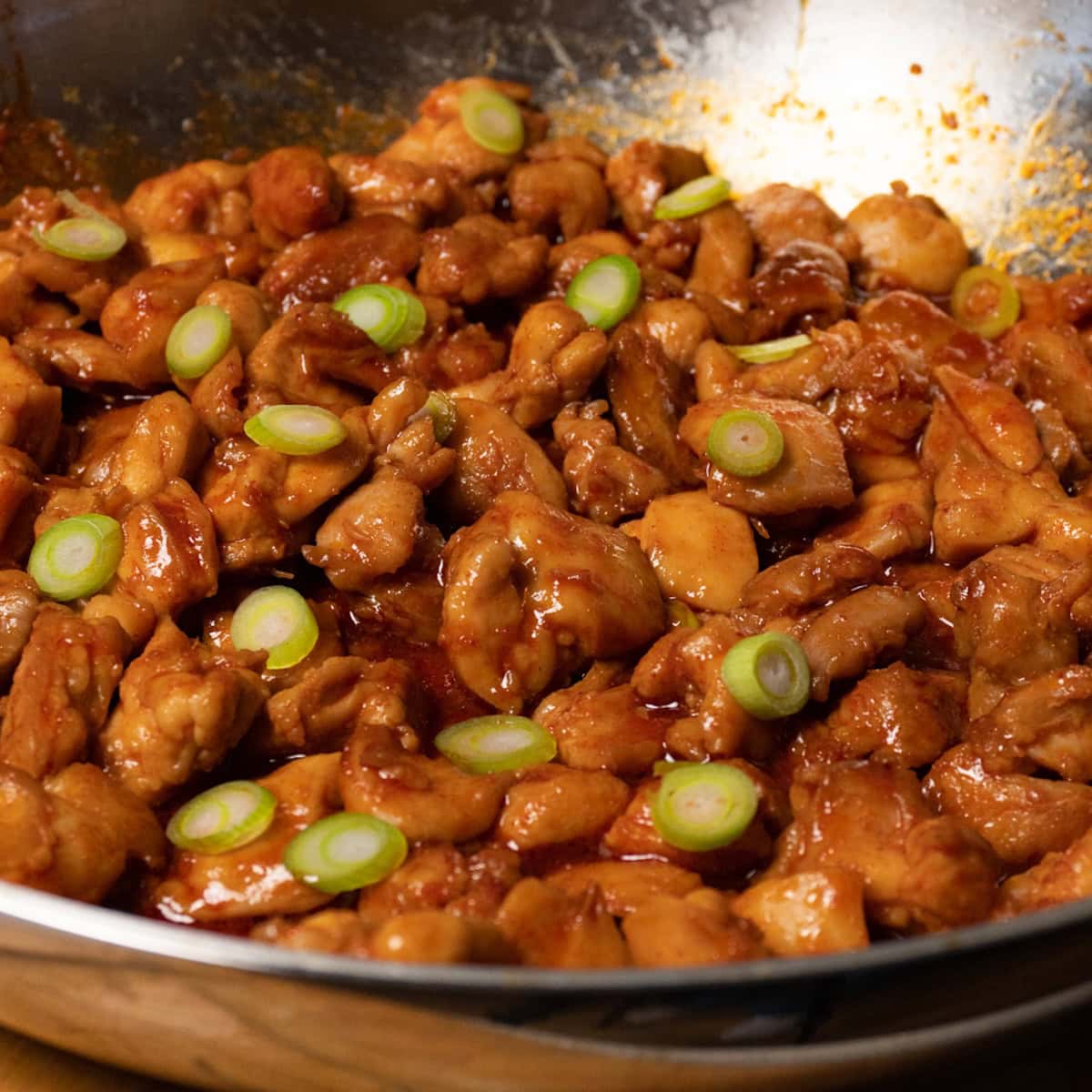
Gochujang chicken is one of those recipes that looks and tastes far more impressive than the effort it takes. Four ingredients in the sauce, one pan, and under 20 minutes - that's it.
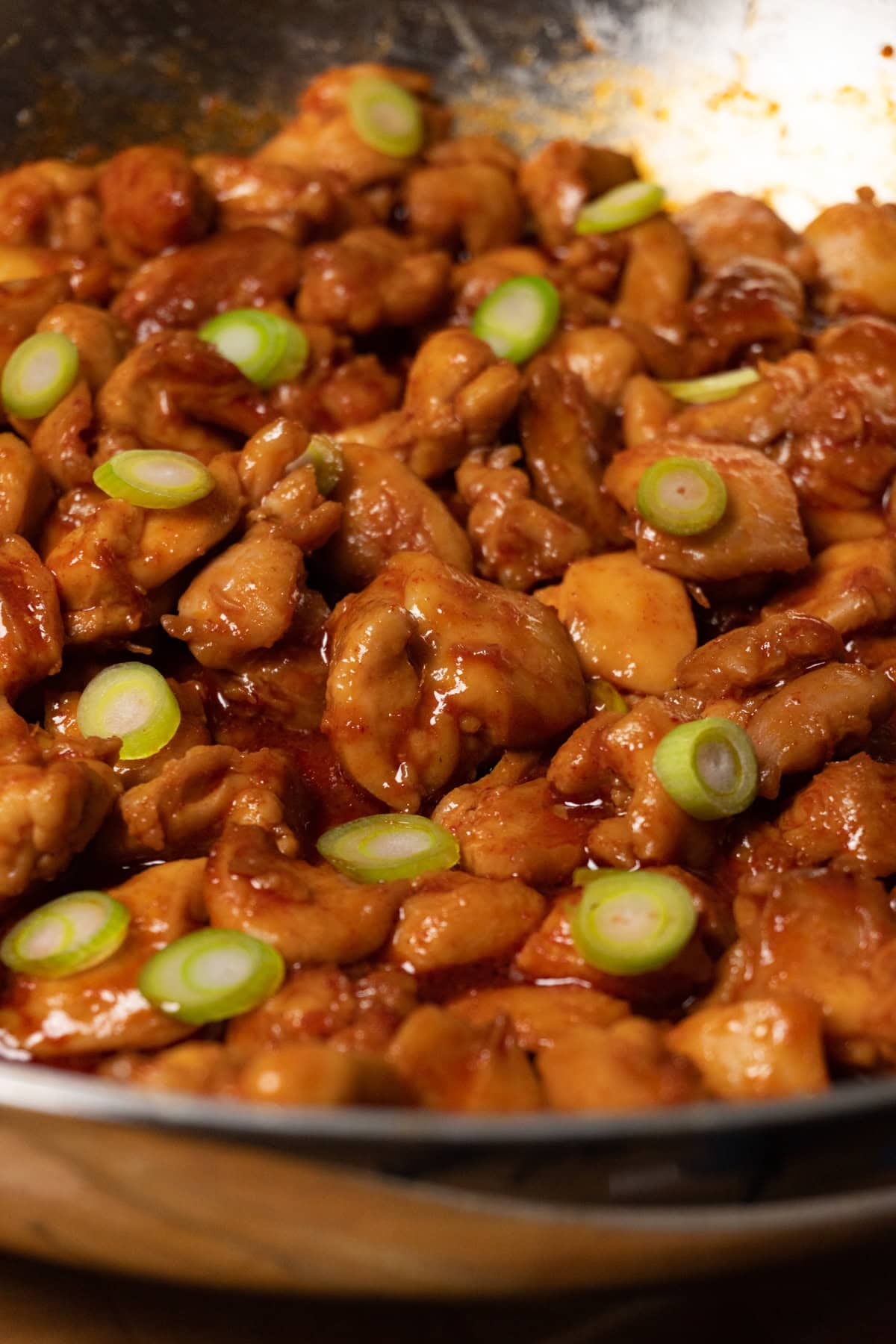
What Makes This Gochujang Chicken So Good
The sauce is only four ingredients, but the result tastes anything but simple. Gochujang brings a deep, smoky, fermented heat, honey adds sweetness and helps the sauce caramelize into a glossy glaze, soy sauce provides the savory backbone, and fresh ginger cuts through the richness with a warm, bright kick. Together they create something that clings to every piece of chicken in the most satisfying way.
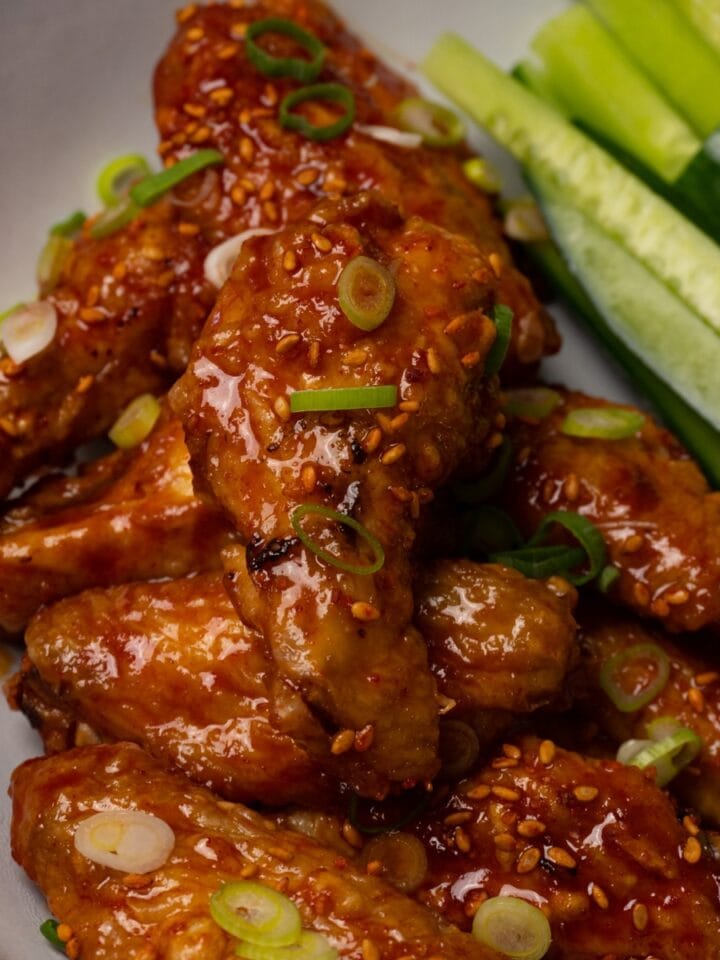
Looking for more dinner recipes? Check out this easy-to-make Creamy udon noodles, this Crispy chicken sandwich , these delicious Panko chicken tenders or these Hot honey chicken wings.
Ingredients You Will Need
Chicken thighs: Boneless, skinless chicken thighs are the best cut for this recipe. They stay juicy and tender even at high heat, have more flavor than breast meat, and hold up beautifully to a bold, sticky sauce. Cut them into bite-size pieces so they cook quickly and evenly and every piece gets properly coated in the glaze.
Salt: A light seasoning before cooking that helps the chicken develop a better crust in the pan.
Olive oil: For searing the chicken over medium-high heat.
For the Gochujang Sauce
Gochujang: The star of the dish. This Korean fermented chili paste has a uniquely complex flavor - smoky, spicy, slightly sweet, and deeply savory all at once. It's widely available in the Asian foods aisle of most supermarkets or online. If you haven't cooked with it before, this recipe is the perfect introduction.
Honey: Balances the heat of the gochujang and helps the sauce thicken into a sticky, glossy glaze as it cooks. If you don't have honey, you can use brown sugar instead.
Soy sauce: Adds saltiness and a deep umami flavor that ties the whole sauce together. Use regular or light soy sauce for the best result.
Fresh ginger: Grated fresh ginger adds a bright, slightly spicy warmth that cuts through the richness of the sauce and lifts the whole dish. Always use fresh rather than ground ginger here - the flavor is completely different.
Cooking Tips
Cook the chicken most of the way through before adding the sauce. Sear the chicken until golden on both sides first, then add the sauce. This gives you the best of both worlds - a caramelized crust from the sear and a sticky glaze from the sauce .
Watch the sauce carefully once it goes in. The honey in the sauce means it can go from perfectly glossy to burnt quite quickly. Reduce the heat to medium before adding the sauce and keep stirring so it coats the chicken evenly and reduces without scorching.
Let it rest before serving. Two minutes off the heat allows the juices to settle back into the chicken and the sauce to thicken slightly to the perfect consistency.
How to Make Gochujang Chicken
Make the sauce: Whisk together the gochujang, honey, soy sauce, and grated ginger in a small bowl until smooth. Set aside.
Sear the chicken: Pat the chicken dry and season lightly with salt. Heat olive oil in a large skillet or wok over medium-high heat. Cook the chicken for 2-3 minutes per side.
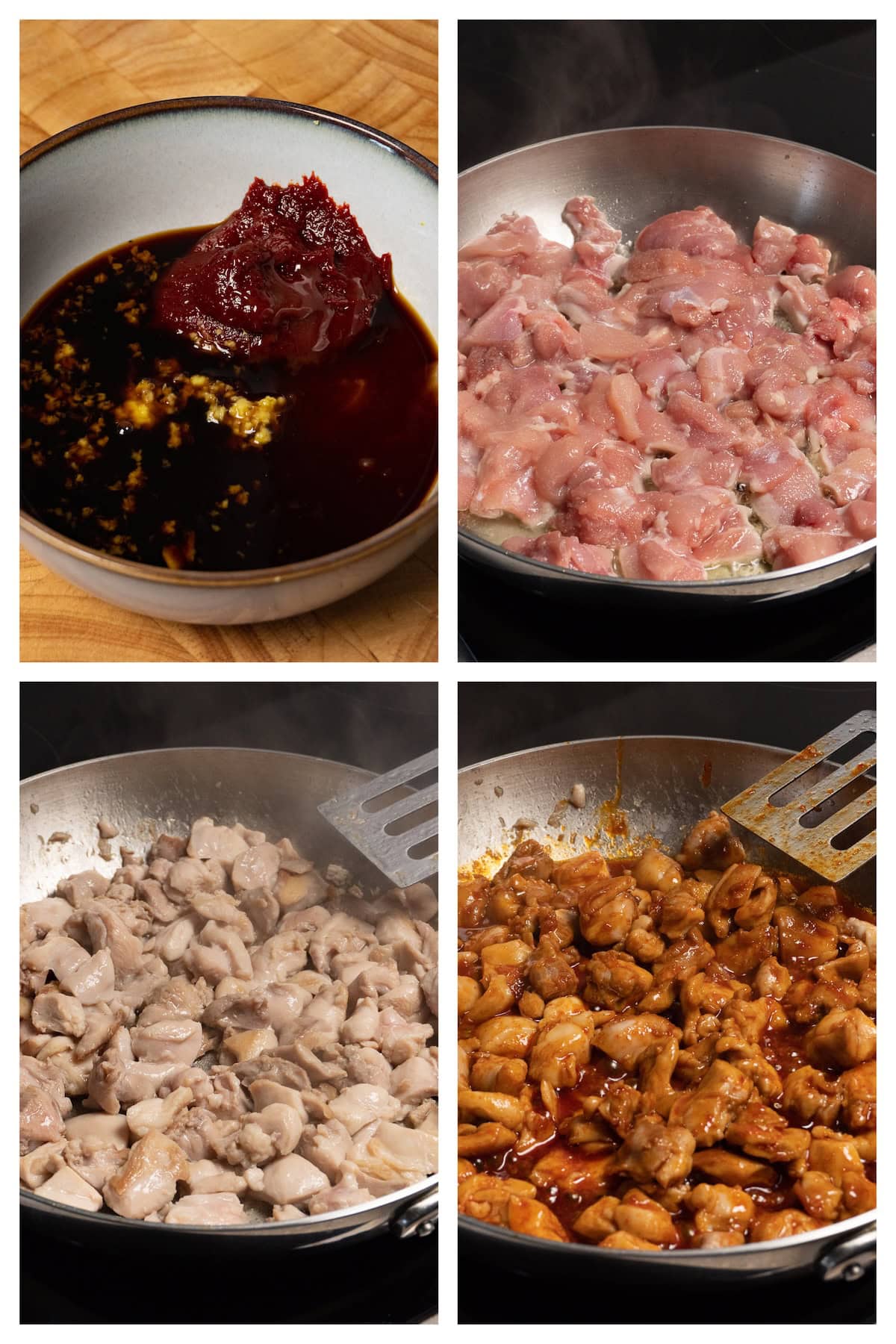
Add the sauce: Reduce the heat to medium, pour the sauce over the chicken, and toss to coat. Cook for a further 3 minutes, stirring occasionally, until the sauce thickens into a glossy glaze and the chicken is cooked through.
Serve: Remove from the heat, let rest for 2 minutes, garnish with green onions, and serve over warm rice and/or vegetables of your choice.
Serving Suggestions
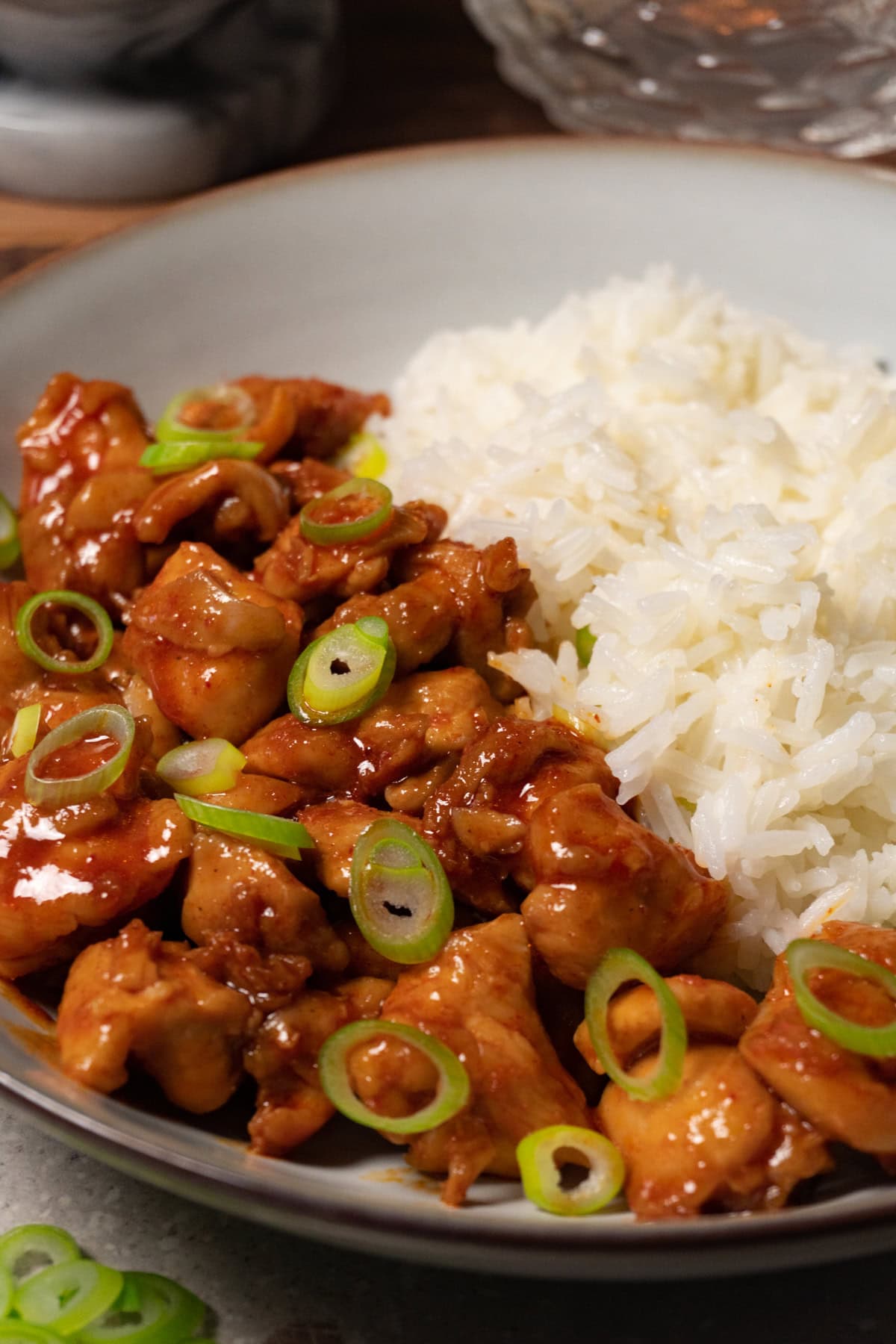
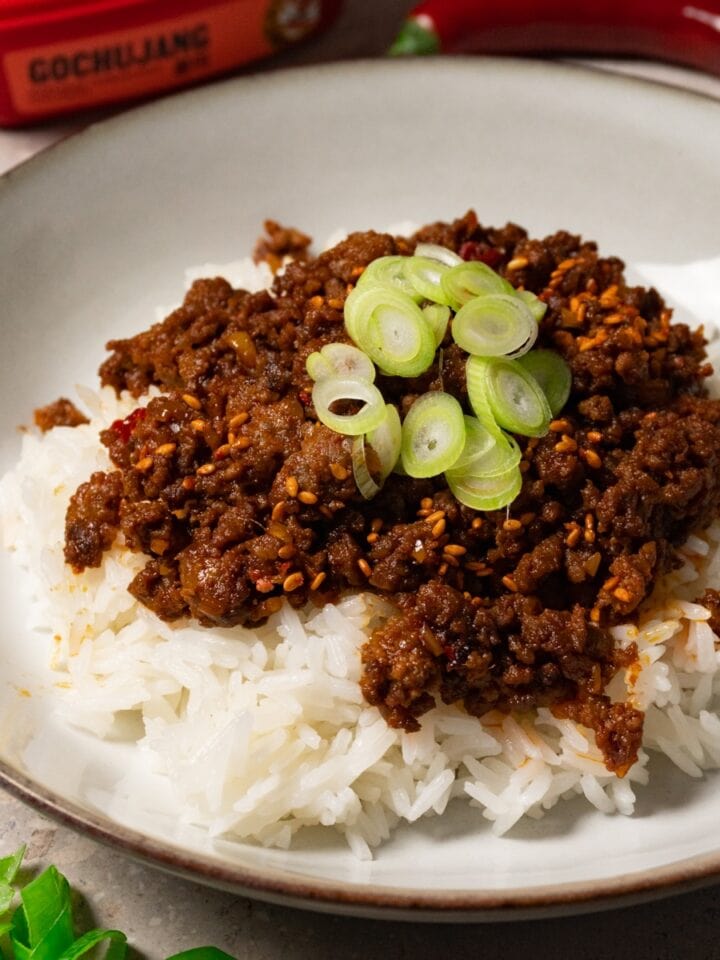
I like to serve Gochujang chicken over jasmine rice, which soaks up the glossy sauce beautifully. For a more complete bowl, add sliced cucumber, a soft-boiled or fried egg, steamed edamame, or a simple kimchi on the side. A sprinkle of sesame seeds alongside the spring onions makes for a great finishing touch.
It also works brilliantly as a filling for wraps or lettuce cups if you want something lighter, or tossed through noodles instead of rice for a quick and satisfying noodle bowl.
Flavor Variations
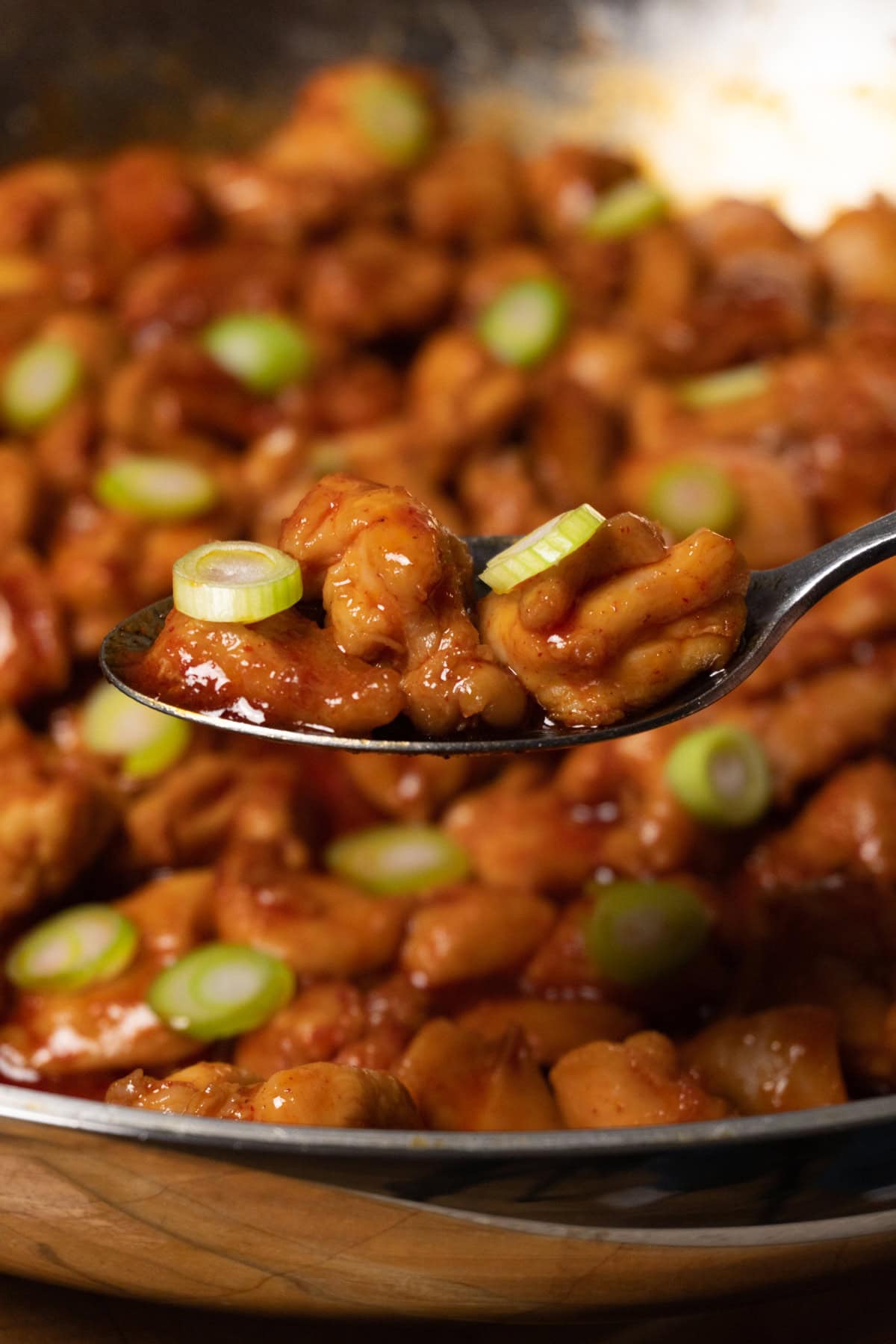
Spicier: Add an extra tablespoon of gochujang or a teaspoon of gochugaru (Korean chili powder), or cayenne pepper to the sauce for more heat.
Citrus glaze: Add the zest and juice of half an orange to the sauce. The citrus cuts through the richness of the chicken and adds a bright, slightly sweet note that pairs beautifully with the gochujang.
Sesame finish: Stir a teaspoon of sesame oil into the sauce right at the end of cooking, off the heat. It's a small addition but adds a toasty, nutty depth that rounds everything out beautifully.
Storing and Meal Prep Tips
Gochujang chicken keeps well in an airtight container in the fridge for up to 4 days, making it an excellent meal prep option. The sauce actually deepens in flavor as it sits, so leftovers are arguably even better the next day. Reheat gently in a pan over medium heat or in the microwave.
To freeze, let the chicken cool completely, then freeze in an airtight container for up to 3 months. Thaw overnight in the fridge and reheat gently on the stovetop or microwave.
Recipe
Gochujang chicken
Equipment
- Large (11-inch/28cm) skillet
- Mixing bowl
Ingredients
- 1.5 lb (700g) skinless boneless chicken thighs cut into bite-size pieces
- Salt to taste
- Olive oil for frying
For the sauce
- 1 tablespoon fresh ginger grated
- 2 tablespoon honey
- 2 tablespoon gochujang paste
- ¼ cup soy sauce
Instructions
- In a small bowl, whisk together all the sauce ingredients until smooth and well combined. Set aside.
- Pat the chicken dry with paper towels and lightly season with salt.
- Heat the olive oil in a large skillet or wok over medium-high heat. Cook without moving for 2-3 minutes on the bottom, then flip and cook for another 2-3 minutes.
- Reduce the heat to medium and pour the sauce over the chicken. Toss to coat and cook for a further 3 minutes, stirring occasionally, until the sauce thickens into a glossy glaze and the chicken is cooked through.
- Remove from the heat and let rest for 2 minutes. Garnish with spring onions, and serve immediately over jasmine or any other type of white rice.
Recipe video
Notes
This website, https://heretocook.com, offers nutritional information for recipes contained on this site. This information is provided as a courtesy and should not be construed as a guarantee. This information is a product of online calculators such as Cronometer.com and MyFitnesPal.com
Leave a Comment