
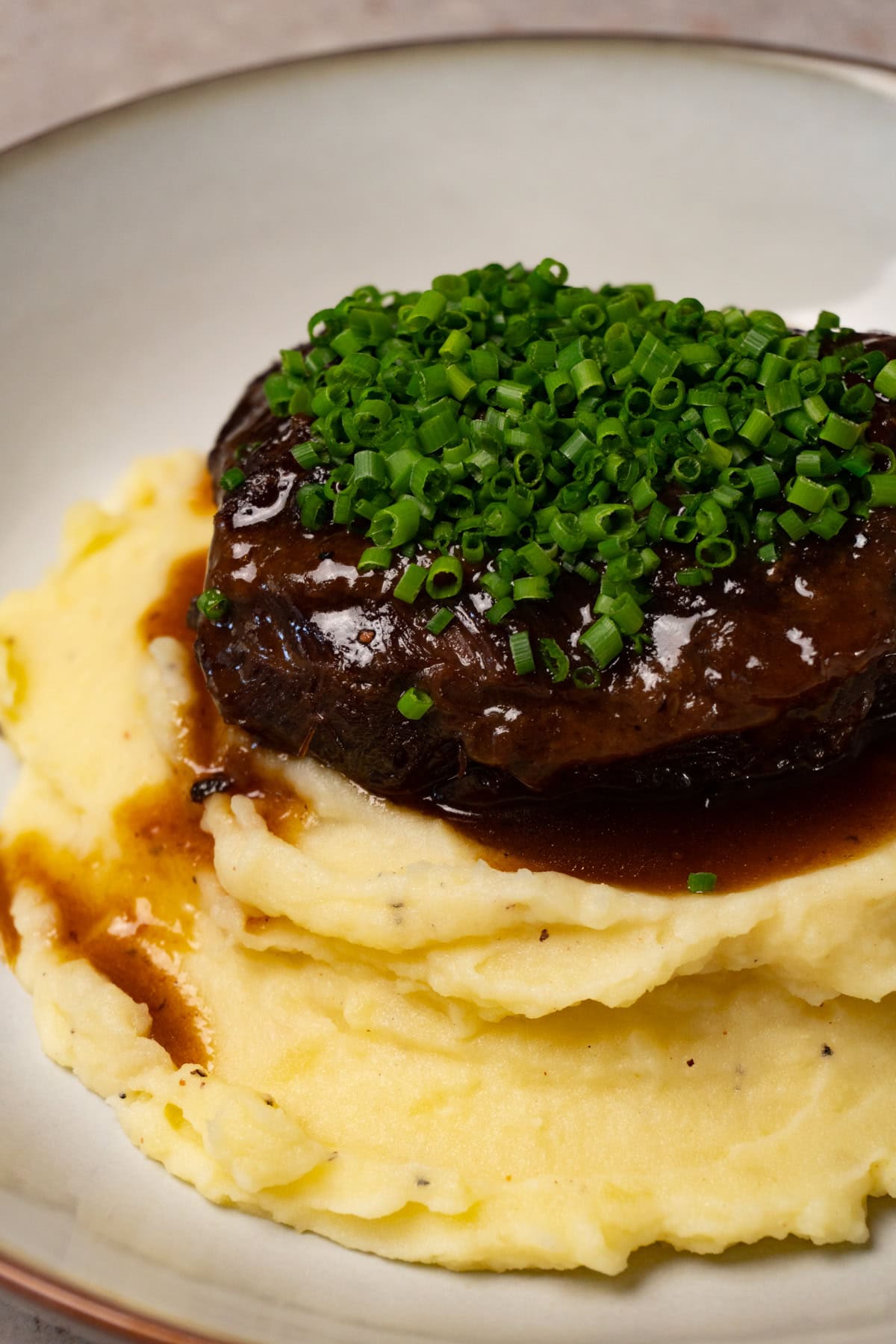
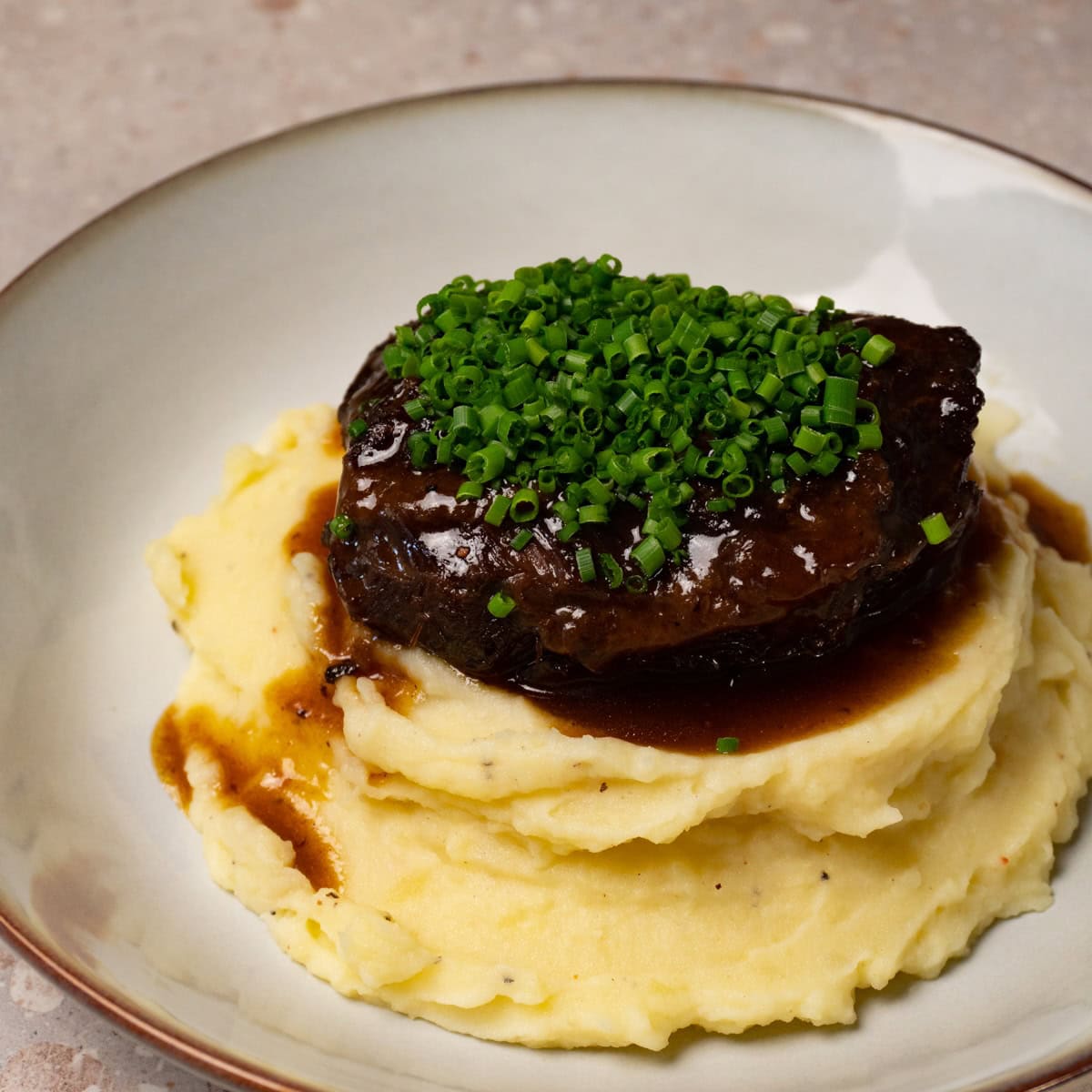
Braised beef cheeks are one of those dishes that feels like a special occasion but is surprisingly simple to make. Low and slow in the oven with beer, shallots, and garlic, the cheeks become impossibly tender and yielding, surrounded by a rich, glossy sauce that tastes like it came from a restaurant kitchen. This is cold weather cooking at its best.
What Are Beef Cheeks?
Beef cheeks are exactly what they sound like - the facial cheek muscles of the cow. Because these muscles work constantly throughout the animal's life, they are dense, tough, and full of connective tissue. This makes them an ideal cut for braising - the long, slow cook in liquid breaks down all that connective tissue into gelatin, which gives the meat its extraordinary tenderness and the braising liquid its rich, glossy body. The result is beef that falls apart at the touch of a fork and a sauce that coats everything beautifully.
Ingredients You Will Need
Beef cheeks: The star of the dish. Look for pieces that are roughly even in size so they cook at the same rate.
Shallots: Added to the pot after searing, they provide a sweet, mellow aromatic base for the braising liquid. You can leave the skin on - they get strained out at the end.
Garlic: Smashed cloves infuse the liquid with a gentle, savory depth over the long cook time. Like the shallots, they get removed at the end so you just get the flavor.
Beef stock cube: Adds a deep, concentrated beef flavor to the braising liquid without the need for homemade stock.
Light beer: The braising liquid that makes this recipe stand out. A light lager adds a subtle malty bitterness that balances the richness of the beef and gives the sauce a complexity that you simply don't get from stock and water alone. Use a beer you'd be happy to drink - the flavor concentrates significantly during cooking.
Water: Added to bring the liquid level to the right height without overpowering the other flavors.
Salt and black pepper: Generous seasoning before searing is essential - beef cheeks need proper seasoning to develop a deep, flavorful crust.
Cooking Tips
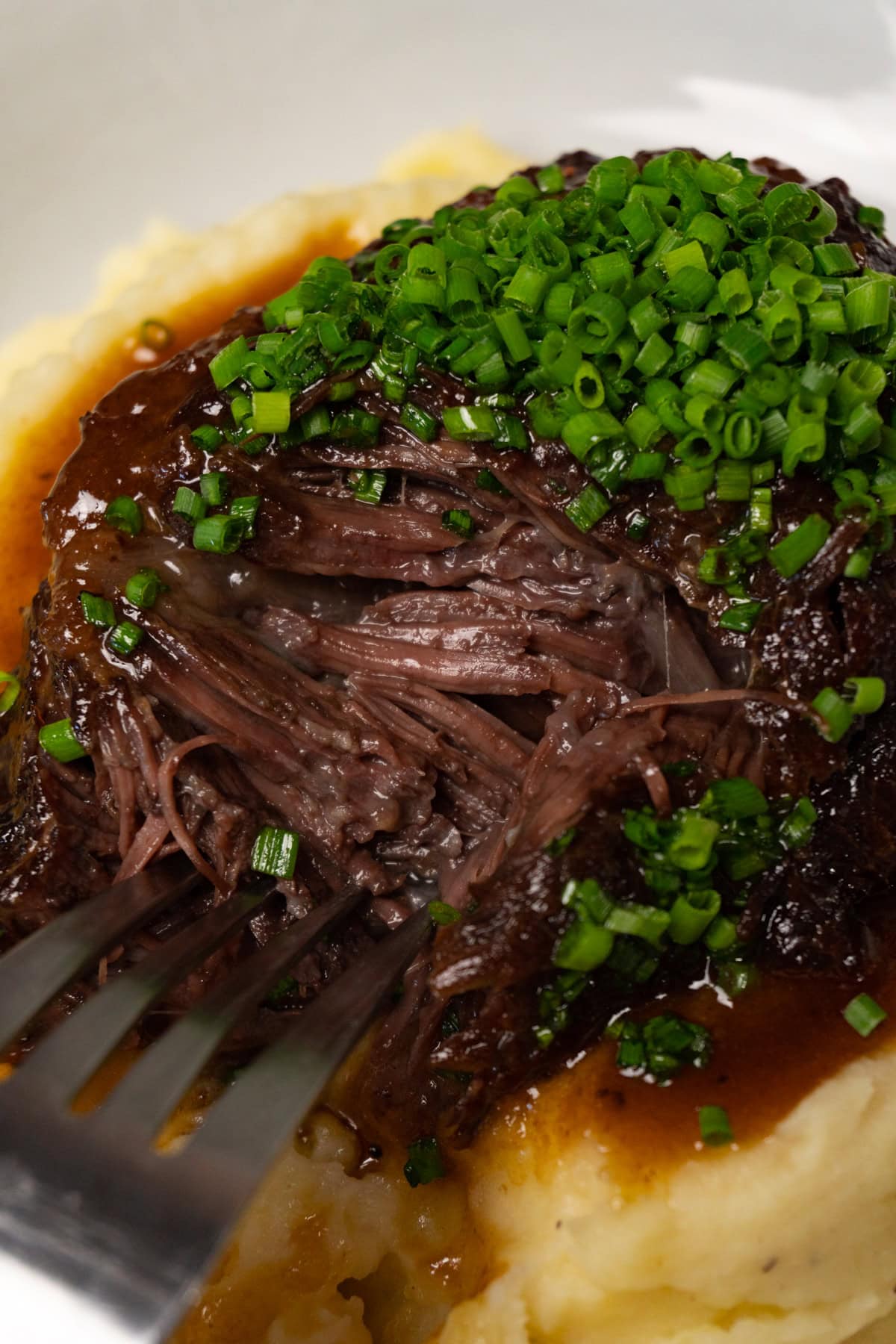
Don't skip the sear. Getting a deep, dark brown crust on all sides of the beef cheeks before braising is the most important step in this recipe. It builds a layer of complex, caramelized flavor that dissolves into the braising liquid and the meat during the long cook. Take your time and don't move the meat until it releases naturally from the pan - a good sear takes patience.
Scrape up the browned bits. When you add the beer, use a wooden spoon to scrape up every bit of the caramelized residue from the bottom of the pot. This is pure concentrated flavor and it goes straight into the sauce.
Get the liquid level right. The liquid should come roughly ⅔ of the way up the sides of the cheeks - not covering them completely. The top of the meat braises in the steam while the bottom cooks in the liquid, and turning halfway through ensures even cooking on all sides.
Low and slow is non-negotiable. Beef cheeks need time to break down. At 340F (170C) they need a minimum of 2 hours, often closer to 3. The way to tell they're done is not by time but by feel - they should be completely yielding when pressed and offer almost no resistance to a fork.
Reduce the sauce properly. After removing the cheeks, straining the liquid, and returning it to the pot, don't rush the reduction. Cooking it down over medium-high heat concentrates all the flavors and transforms a thin braising liquid into a glossy, coating sauce. This step is what takes the dish from good to exceptional.
How to Make Braised Beef Cheeks
Sear: Season the beef cheeks generously with salt and pepper and sear in a hot Dutch oven until deeply browned on all sides.
Build the base: Reduce the heat, add the shallots and garlic, and cook until softened and golden. Pour in the beer and scrape up the browned bits. Crumble in the stock cube and add water to bring the liquid ⅔ of the way up the cheeks.
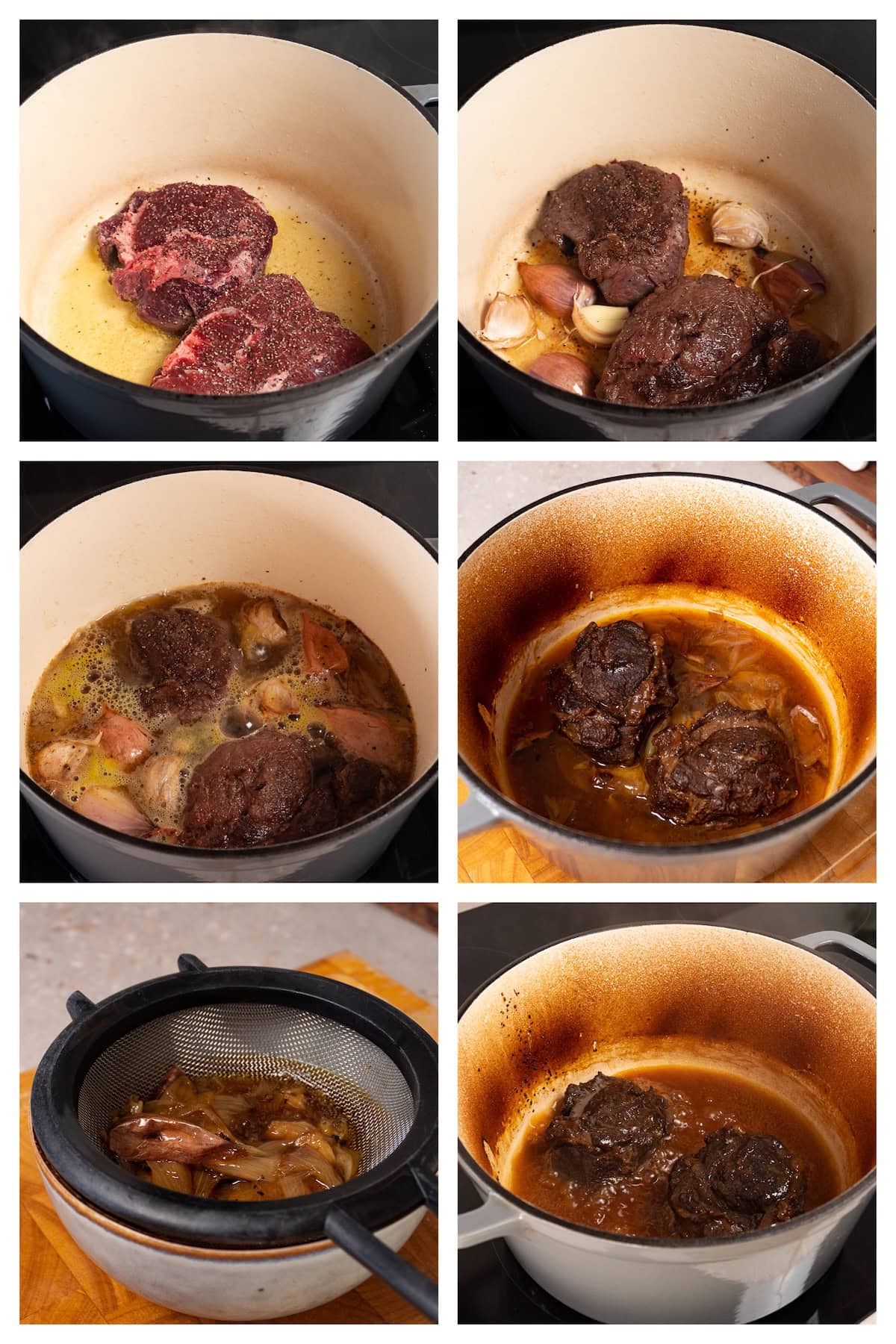
Braise: Bring to a simmer, cover with a lid, and cook in the oven at 340F (170C) for 2-3 hours, turning halfway through, until completely tender.
Finish the sauce: Remove the cheeks and strain the liquid. Return both to the pot and reduce on the stovetop until glossy and sauce-like. Taste and adjust seasoning.
Serve: Spoon the sauce generously over the cheeks and serve immediately.
Serving Suggestions
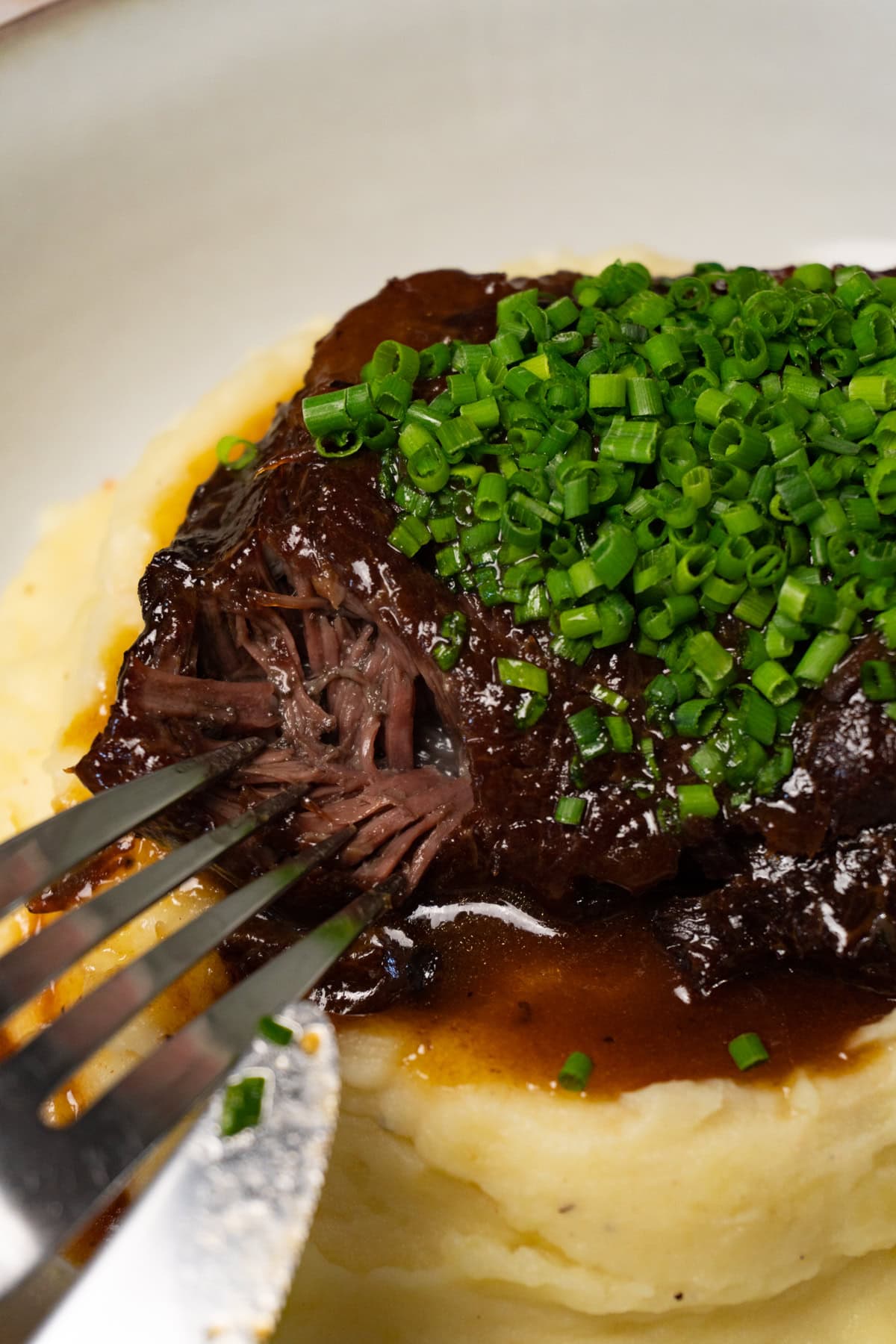
Braised beef cheeks are a rich, deeply flavored dish that calls for something simple and starchy alongside to soak up the sauce. Creamy mashed potato or Cauliflower Mash is the classic pairing - the butteriness of the mash and the glossy sauce together is hard to beat. Soft polenta is equally good and has a slightly more rustic, Italian feel that suits the dish beautifully. Crusty bread on the side is always welcome for mopping up every last drop of sauce. For something green alongside, a simple steamed green vegetable like tenderstem broccoli or green beans keeps things balanced without competing with the main event.
Flavor Variations
Red wine instead of beer: Swap the lager for a full-bodied red wine like Cabernet Sauvignon or Merlot for a more classic French-style braise. The result is deeper and more robust, with a richer, more wine-forward sauce.
Add root vegetables: Throw in a couple of roughly chopped carrots and a stick of celery alongside the shallots for extra depth and a slightly sweeter braising liquid.
Herbs: A sprig of fresh thyme and a bay leaf added to the braising liquid introduce a gentle herbal note that works beautifully with the beef and beer.
Tomato: Add a tablespoon of tomato paste cooked with the shallots and garlic before adding the beer. It adds body, acidity, and a subtle sweetness that rounds out the sauce.
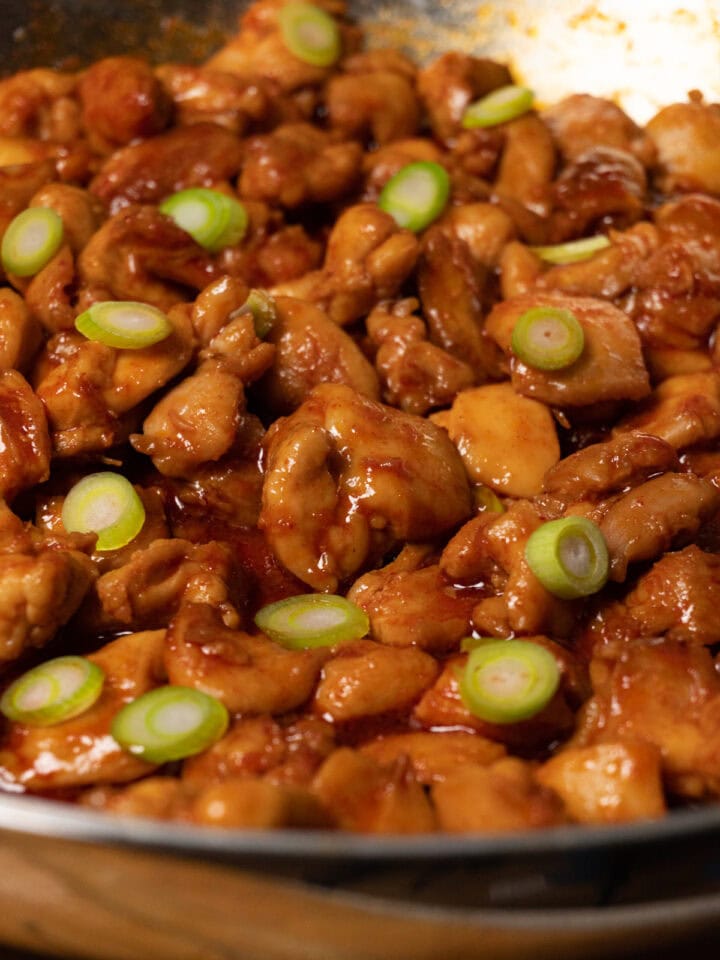
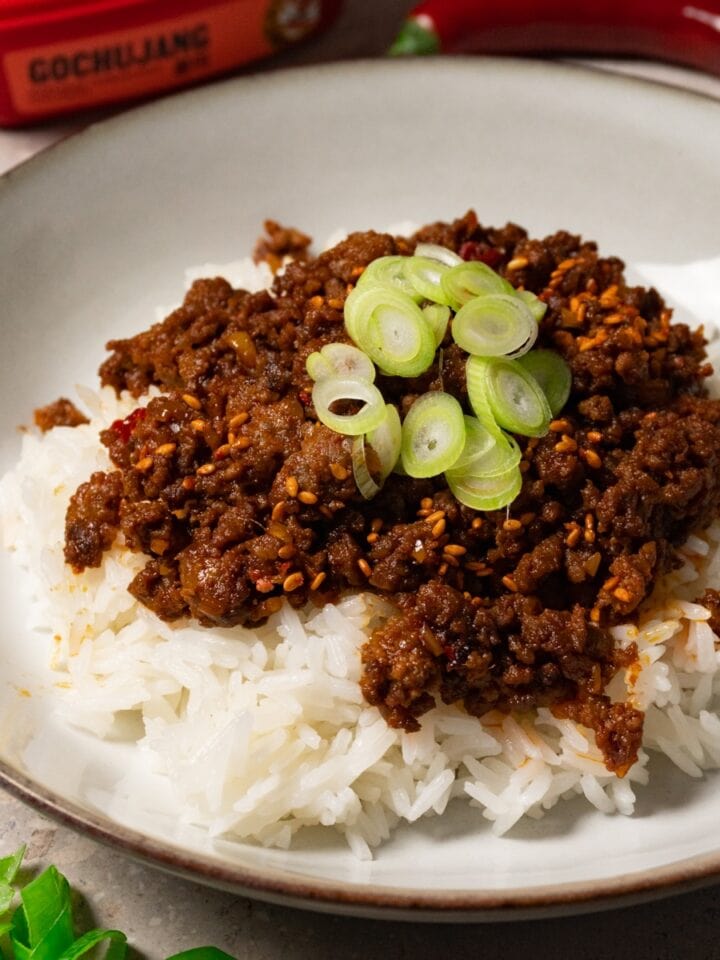
Looking for more dinner recipes? Check out this easy-to-make Creamy udon noodles, this Crispy chicken sandwich , this 20-minutes Gochujang ground beef bowl, or these Hot honey chicken wings.
Storing Tips
Braised beef cheeks keep exceptionally well and are arguably even better the next day once the flavors have had time to develop further. Store in an airtight container in the fridge for up to 4 days, kept in the sauce. Reheat gently on the stovetop over low heat, adding a small splash of water if the sauce has thickened too much.
To freeze, cool completely and freeze in an airtight container with the sauce for up to 2 months. Thaw overnight in the fridge and reheat gently on the stovetop before serving.
Recipe
Beer Braised Beef Cheeks
Equipment
- Dutch oven (4qt/4lt)
- Knife
- Strainer
Ingredients
- 1 lb (500g) beef cheeks 2 pieces
- 2 shallots cut in half (you can keep the skin on)
- 4 cloves garlic smashed (you can keep the skin on)
- 1 cube beef stock
- 12 fl oz (330ml) light beer
- Water
- Salt to taste
- Black pepper to taste
Instructions
- Preheat the oven to 340F (170C).
- Pat the beef cheeks dry with paper towels. Season generously on all sides with salt and black pepper.
- Heat a Dutch oven over medium-high heat with a drizzle of oil. Once smoking hot, sear the beef cheeks on both sides until deeply browned.
- Reduce the heat to medium. Add the shallots and garlic to the same pot. Cook for 2-3 minutes until the shallots are golden and beginning to soften.
- Pour in the beer and use a wooden spoon to scrape up any browned bits from the bottom of the pot. Crumble in the stock cube and add just enough water so the liquid comes roughly ⅔ of the way up the sides of the cheeks.
- Bring to a gentle simmer, then cover with a lid and transfer the pot to the oven. Cook for 2-3 hours, turning the cheeks once halfway through, until they are completely tender and yield easily when pressed. You can also cook the beef cheeks on the stovetop. Make sure the beef stays at a gentle simmer the entire time, and add extra water during cooking if needed.
- Remove the cheeks and set aside. Strain the liquid through a fine mesh sieve into a bowl to remove the shallots and garlic. Pour the liquid back into the pot and place the cheeks back in. Cook on the stovetop over medium-high heat until the liquid has reduced to a glossy, sauce-like consistency. Taste and adjust seasoning.
- Spoon the sauce over the beef cheeks and serve immediately. They pair beautifully with creamy mashed potato, soft polenta, or crusty bread to soak up the sauce.
Recipe video
Notes
This website, https://heretocook.com, offers nutritional information for recipes contained on this site. This information is provided as a courtesy and should not be construed as a guarantee. This information is a product of online calculators such as Cronometer.com and MyFitnesPal.com


Leave a Comment